
Our top picks
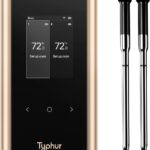
 Best for long cooksTyphur SyncCheck price on Amazon ↗
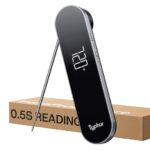
- Best instant-readTyphur InstaProbeCheck price on Amazon ↗
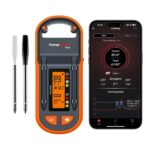
- Best wireless valueThermoPro TempSpikeCheck price on Amazon ↗
- Best budget pickThermoPro TP19Check price on Amazon ↗
Tested + Reviewed
 ReviewsPolder Meat Thermometer Review: The Original Probe-and-Cable, and Whether It Still Holds UpOct 18, 2026
 ReviewsTaylor Meat Thermometer Review + How to Use It (Instructions by Model Type)Oct 18, 2026
 ReviewsOXO Meat Thermometer Review: Is It Worth Buying?Oct 18, 2026
 ReviewsWeber Meat Thermometer Review: Connect vs. SnapCheck, and Which Grillers Should Buy ThemOct 18, 2026
 ReviewsThermoWorks Review: Thermapen ONE, MK4, ThermoPop 2, and ChefAlarm ComparedOct 18, 2026
 ReviewsMEATER Review: Plus vs. Pro vs. 2 Plus, and Whether the Wireless Probe Is Worth ItOct 18, 2026
How we test
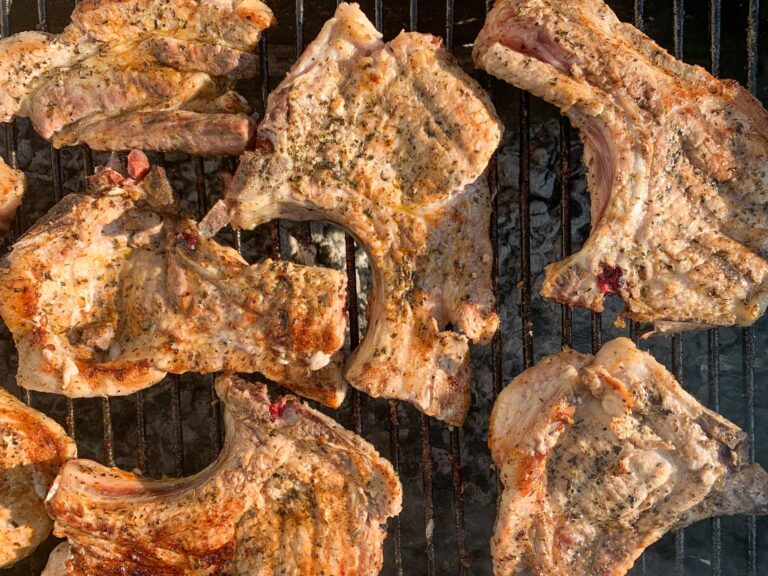
- We cook with them. Every pick is used on real steaks, roasts and smokes in our own kitchens and on our own grills.
- We check accuracy. Ice water and boiling water checks, then side-by-side readings during real cooks.
- We pick independently. Brands do not pay for placement. How we choose