
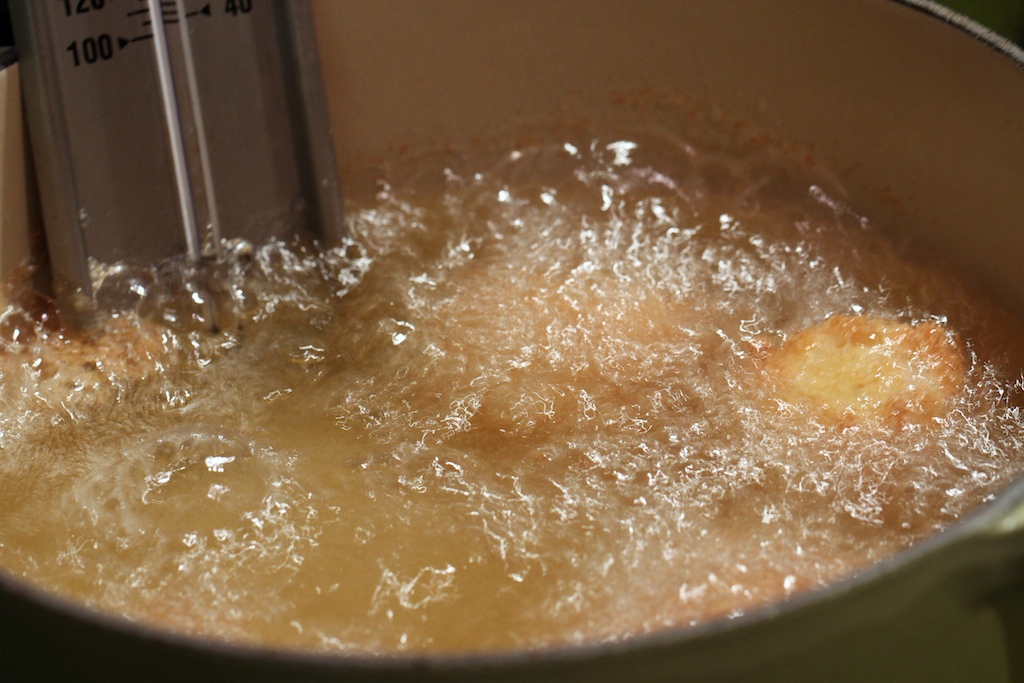
Not recommended. Frying oil holds 350 to 375 degrees for long stretches and the probe isn’t built to clip on or stay in. Here’s the one safe way to spot-check it, and the better tool.
Don’t Guess. Know.
Independent meat thermometer reviews, tested in real kitchens. We cut through the spec sheets so you cook with confidence.
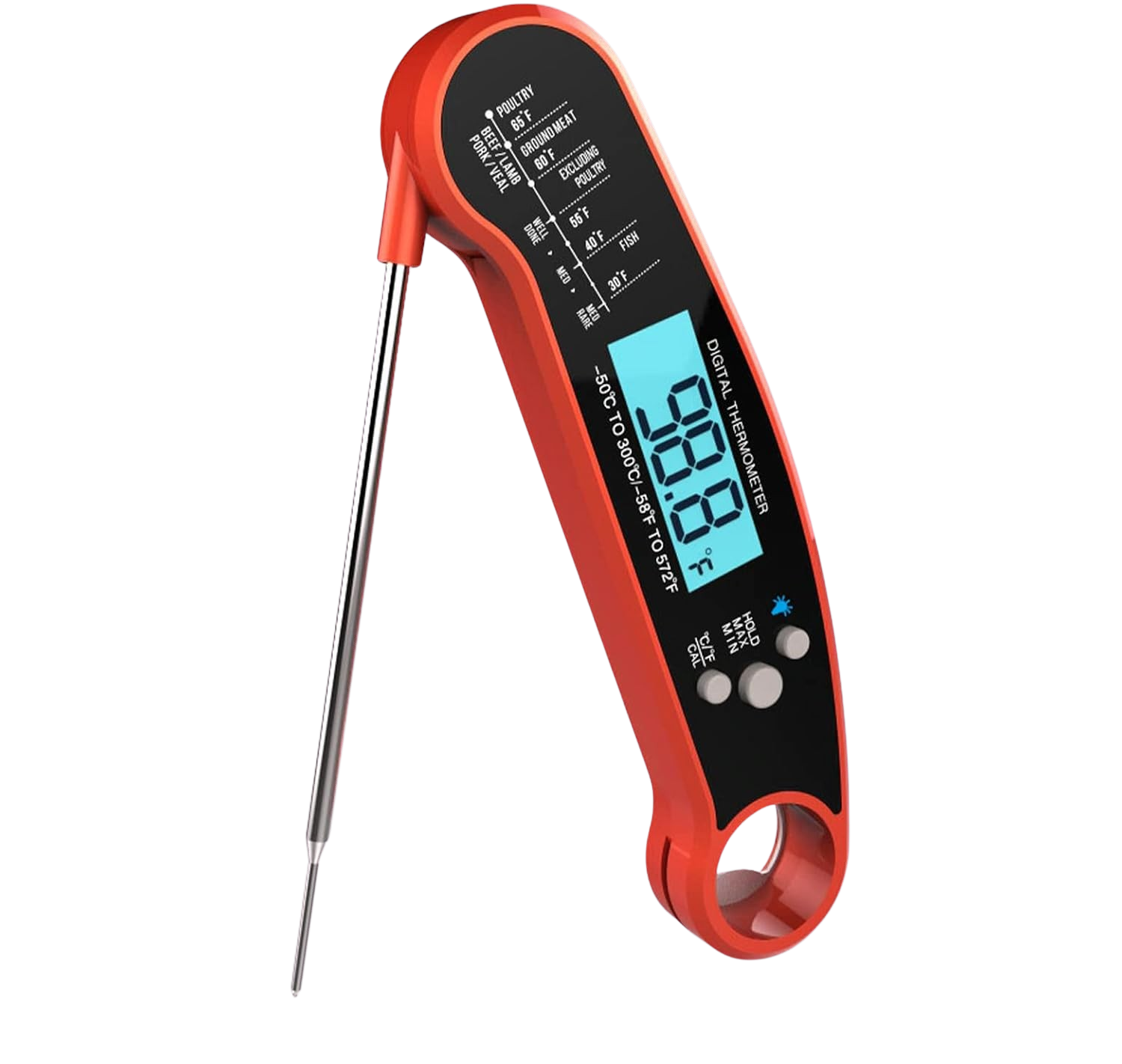
Not recommended. Frying oil holds 350 to 375 degrees for long stretches and the probe isn’t built to clip on or stay in. Here’s the one safe way to spot-check it, and the better tool.
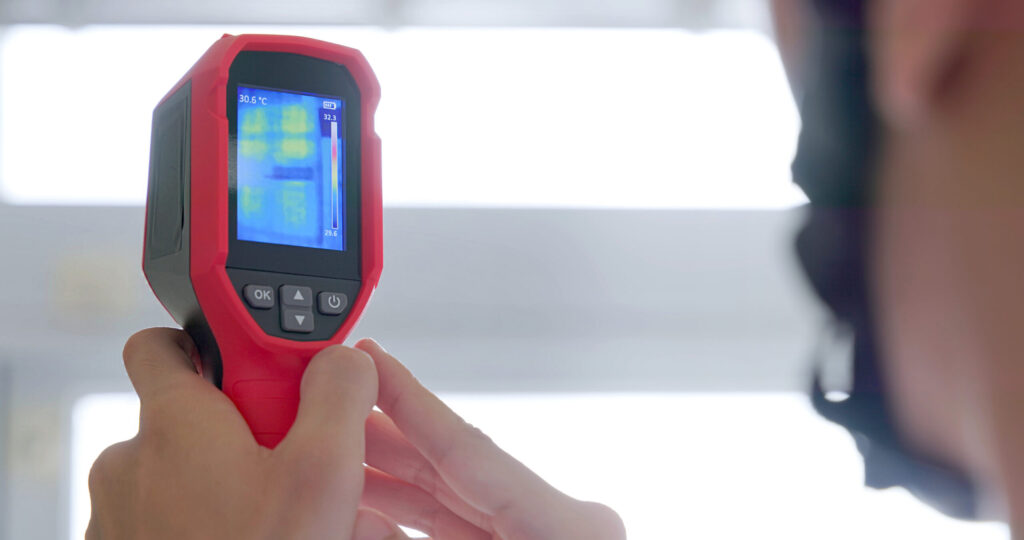
No. A meat thermometer’s 1 to 2 degree accuracy is far too wide to catch a fever, and the probe isn’t body-safe. Here’s why it fails and what to use instead.
Thermometers drift after drops and temperature swings. The ice-bath test takes two minutes and tells you exactly how far off your readings are, plus how to correct for it.
The breast and thigh of a turkey finish at different times, so one reading isn’t enough. Here’s the exact spot in the inner thigh, how deep to go, and how to hit 165 without drying out the bird.
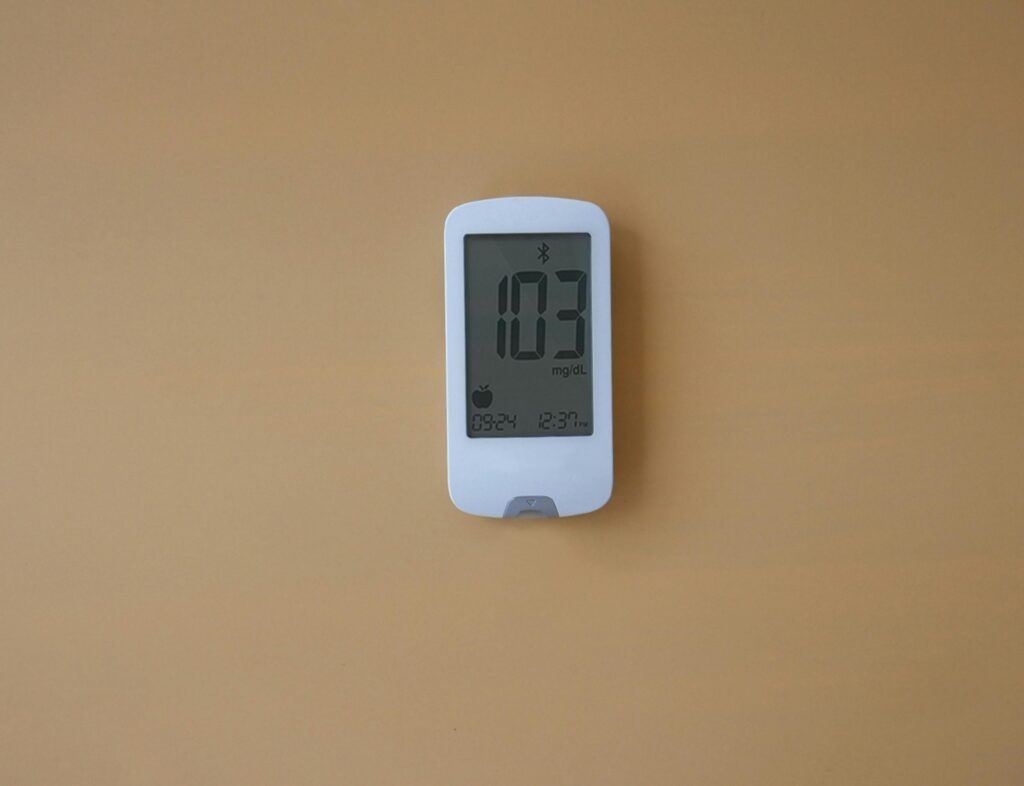
Reading a meat thermometer comes down to one rule: wait for the numbers to stop moving. Here is exactly what that looks like on digital and dial models.
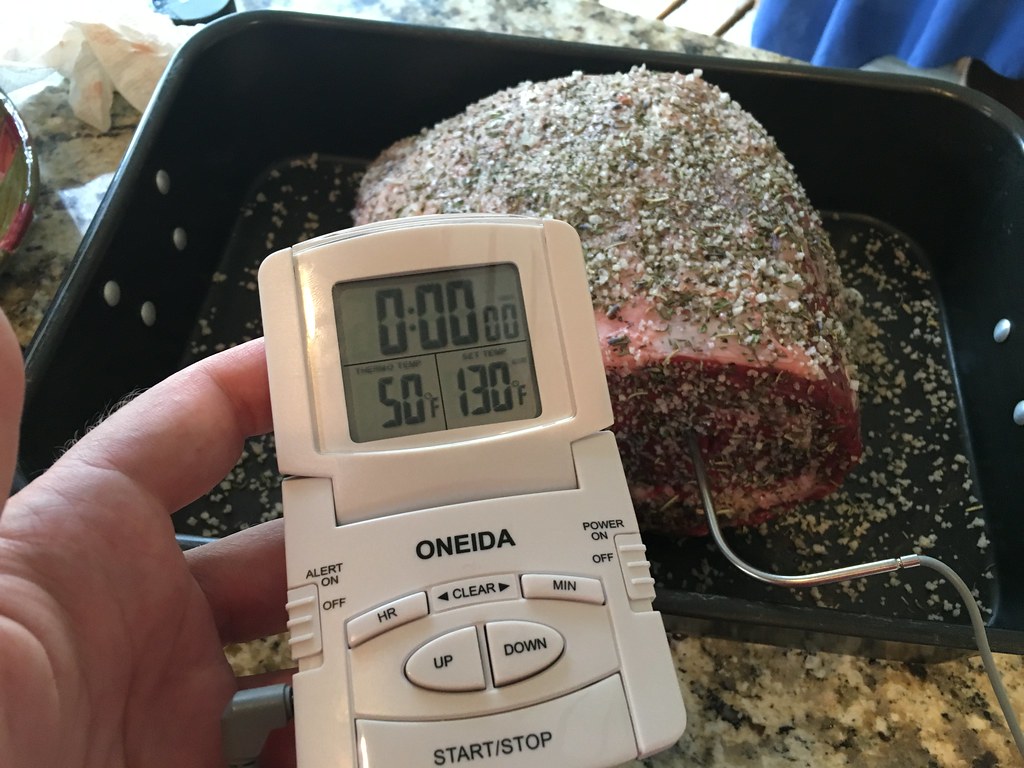
A probe thermometer stays in the meat for the whole cook and alarms you at your target temp. Here’s where to insert it, how to set the alarm, and how to avoid ruining the probe.
Bad placement is the number one cause of wrong readings. Here’s the exact spot and depth for every cut: thick steak, chicken breast, whole turkey, roast, and burgers.
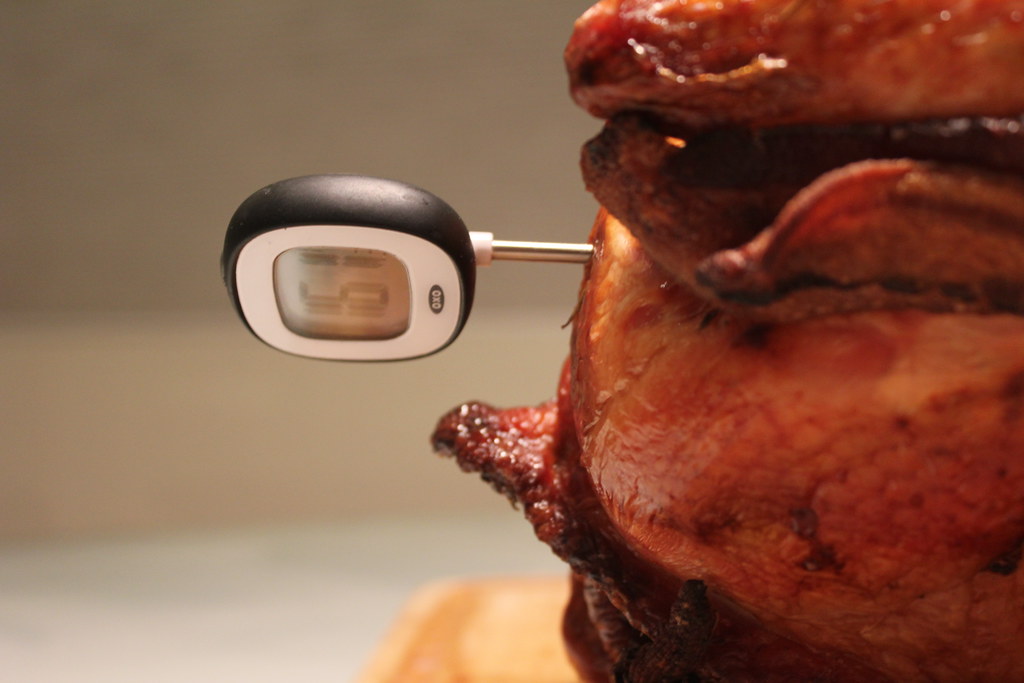
Using a meat thermometer takes five seconds and guarantees perfectly cooked meat every time. Here is exactly how to do it right, for every cut.

© 2026 Best Meat Thermometer Reviews & Buyer's Guides (2026) | Rouuo.