Table of Contents
In a moment of need, when you can’t find your medical thermometer, you might look at the digital thermometer in your kitchen drawer and wonder, “Could this work?” It’s a logical question, but it has a very clear and important answer.
As experts in temperature measurement for food, we want to provide a definitive guide on this topic. The short answer is no. You should never use a meat thermometer to check your own or another person’s body temperature. Here’s a detailed explanation of why.
The Definitive Answer: Why You Should Never Use a Meat Thermometer on a Person
Using a tool for a purpose it wasn’t designed for can be ineffective and, in this case, unsafe. There are three critical reasons why a meat thermometer is the wrong tool for taking a human temperature.
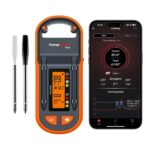
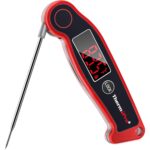
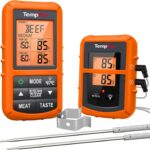
Read our guide for meat thermometer recommendations.
They Are Not Designed for Medical Accuracy
This is the most important scientific reason.
- Different Ranges: Medical thermometers are highly specialized instruments calibrated to be extremely accurate within the very narrow range of human body temperatures (roughly 95°F to 108°F or 35°C to 42°C).
- Different Accuracy Tolerances: A clinical thermometer is accurate to within ±0.2°F. A high-quality meat thermometer is typically accurate to ±1-2°F. While that ±2°F margin of error is perfectly acceptable when cooking a chicken, it is a massive and medically useless margin when checking for a fever. A reading of 99°F on a meat thermometer could mean your actual temperature is anywhere from 97°F to 101°F.
It’s Unsanitary and Unsafe
- Cross-Contamination: Meat thermometers are used on raw meat, which can harbor harmful bacteria like Salmonella and E. coli. Even with cleaning, they are not designed with medical-grade materials that can be properly sterilized. Using one for a human temperature reading poses a significant risk of infection.
- Physical Danger: The probe is a sharp, pointed metal object designed to pierce dense muscle tissue. It is not safe to be placed in a person’s mouth, ear, or anywhere else on the body, especially a child’s.
The Technology is Different
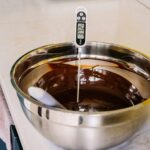
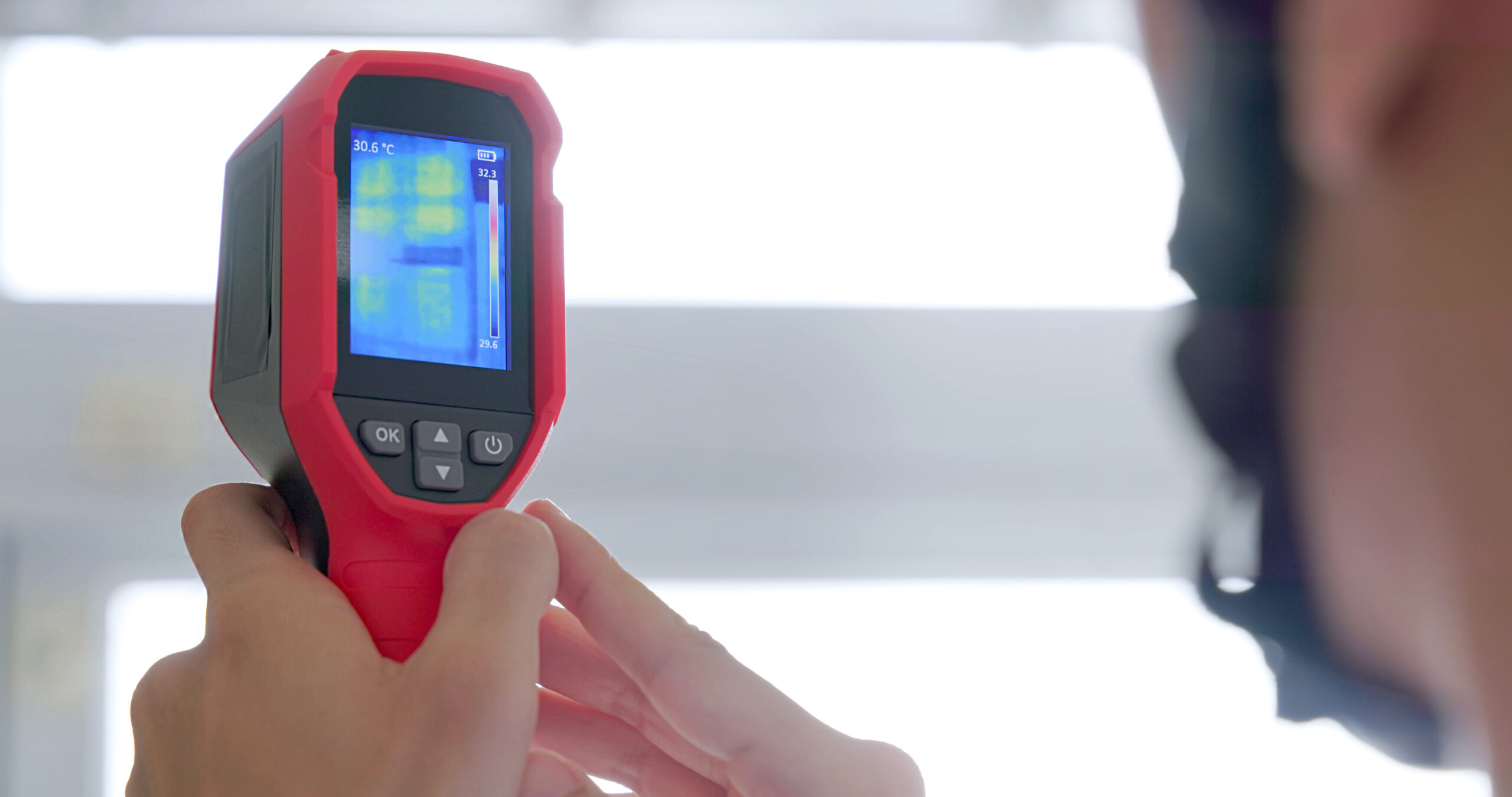
Modern medical thermometers use infrared sensors to measure temperature from a forehead or in an ear without contact, or use specifically designed oral probes. Meat thermometers use a thermocouple or thermistor at the tip of a metal probe, which is designed to find the thermal center of a solid or liquid food item, not measure surface or body temperature.
The Right Tool for the Right Job
For checking your body temperature, always use a clinical thermometer designed for that purpose. They are tested and regulated by health authorities to ensure they are safe and accurate for medical use.
Similarly, a meat thermometer is a specialized tool designed for one job: ensuring your food is cooked to a safe and delicious temperature. It excels at this task.
Frequently Asked Questions (FAQ)
↑ Return to TOCWhat if my meat thermometer says my temperature is 98.6°F? Should I trust it?
No. Even if the number happens to land on what seems like a normal temperature, the margin of error is too large to be reliable. Any reading you get from a meat thermometer is a coincidence, not an accurate medical measurement.
Can you use a medical thermometer for meat?
No, it wouldn’t work. Most medical thermometers have a maximum temperature reading around 108°F or 110°F. Since even the rarest steak is cooked to 125°F and chicken needs to reach 165°F, the thermometer would quickly max out and likely be destroyed by the heat.
What makes a thermometer “medical grade”?
Medical-grade thermometers must meet strict standards for accuracy, use body-safe materials, be designed for easy sterilization, and be cleared by health regulatory bodies like the FDA. Meat thermometers are not subject to these medical standards.